


After the conference you have the option to visit the Sangklaburi Projects from March 29-31st. We will travel there by mini bus.
Kanchanaburi – Sangkhla Buri by Minivan
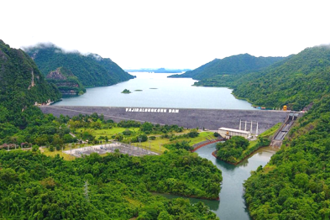 A scenic journey from Kanchanaburi to Sangkhla Buri, travelling along Highway 323 through the mountains and forests of western Kanchanaburi.
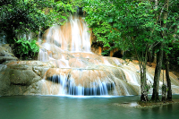 Along the way, the minivan will stop at Sai Yok Noi Waterfall, Thong Pha Phum, the Khao Laem Dam area and scenic viewpoints, before continuing through the beautiful mountain landscape to Sangkhla Buri.
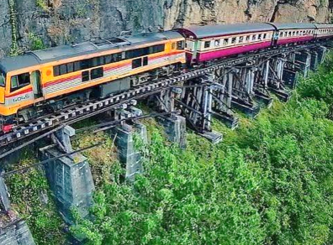
Option
Kanchanaburi → Sai Yok Noi by Train
A scenic journey on Thailand’s historic Death Railway, passing through lush countryside, mountains and small rural communities. The train crosses the famous River Kwai Bridge and follows the river and dramatic cliffs toward Sai Yok Noi, offering beautiful views along the way.
Sangklaburi Neohumanist Projects
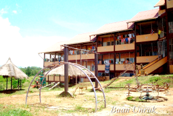 Baan Unrak – “Home of Joy” offering care for children, educationand community support, natural medicines, with weaving, bakery, farming and outreach projects.
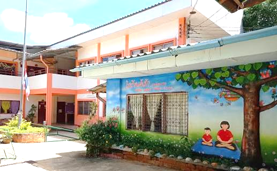 Tonrak Ananda Marga School – “Tree of Love” Neohumanist
school combining Thai education with holistic learning, natureand a mini farm.
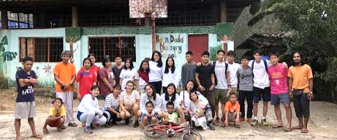 Baan Dada Children’s home providing care, education and opportunities for disadvantaged children.
 Thai Animal Sanctuary Rescue and welfare project
providing shelter, veterinary care, vaccination and sterilization for animals in need.
Sangklaburi Attractions
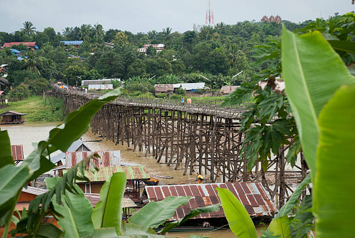 Saphan Mon, also known as the Mon Bridge, is one of Thailand’s longest wooden bridges and a beloved symbol of Sangkhla Buri. Built by the local Mon community, it connects the Thai and Mon communities across the Song Kalia River and reflects the area’s rich cultural heritage and close community spirit.
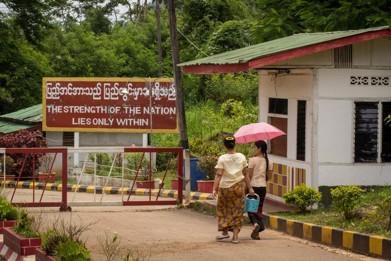
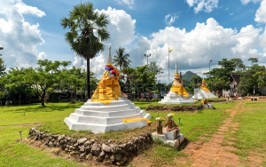 Three Pagodas Pass
is a historic mountain pass on the Thailand–Myanmar border, near Sangkhla Buri. For centuries it has been an important route connecting the two countries and was used by traders, armies and migrating peoples. Today, it is a popular border and cultural landmark, named after the three small pagodas that symbolize the historic connection between Thailand and Myanmar